
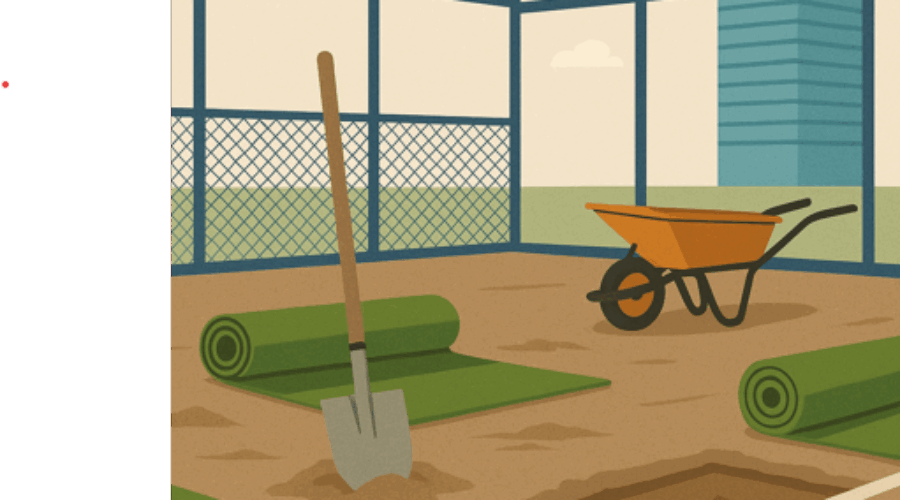
How to Build a Padel Court: Costs and Requirements
The rising popularity of padel in South Africa has sparked interest not just in playing—but in building padel courts. Whether you’re a property developer, private club owner, school administrator, or entrepreneur, understanding the costs, requirements, and process for building a padel court is essential before you invest.
This comprehensive guide covers everything you need to know about constructing a padel court in South Africa, from site selection and permits to materials and ongoing maintenance.
What Is a Padel Court Made Of?
A standard padel court is a 20m x 10m enclosed court, typically surrounded by glass and metallic mesh fencing. It includes:
- Artificial turf or specialized resin flooring
- Tempered glass walls (3–4 meters high)
- Metal fencing or mesh panels
- LED lighting for night play
- Drainage system
- Net system and posts
South African weather conditions (wind, rain, UV exposure) demand durable materials suited to local environments. Investing in quality up front saves on repairs later.
How Much Space Do I Need to Build a Padel Court?
Minimum space requirements for a single court:
- Playing area: 20m x 10m
- Total area including access: ~24m x 14m
- Ceiling height (for indoor courts): Minimum 6 meters
If you plan on building multiple courts, you’ll need additional space for:
- Pathways and spectator areas
- Changing rooms and amenities
- Parking and fencing setbacks
How Much Does It Cost to Build a Padel Court in South Africa?
Estimated Cost Breakdown (per court):
| Component | Cost (ZAR) |
|---|---|
| Court Construction (turnkey) | R600,000–R850,000 |
| Permits and approvals | R20,000–R50,000 |
| Lighting system (LED) | R80,000–R150,000 |
| Ground preparation & leveling | R60,000–R100,000 |
| Accessories & net system | R15,000–R25,000 |
| Optional: Clubhouse or seating | R50,000+ |
Total Estimated Cost: R800,000 – R1,200,000 per court
Costs vary by location, access to materials, and whether the court is indoor or outdoor.
Do I Need a Permit to Build a Padel Court in SA?
Yes — building approvals are required by most municipalities, especially if:
- The padel court includes lighting systems
- It’s part of a commercial property
- The area is zoned residential
Steps for legal compliance:
- Submit plans to your local municipal office
- Obtain zoning and environmental clearance
- Apply for construction permits
- Secure noise or lighting permits if near homes
We recommend consulting with a town planner or architect familiar with local by-laws.
What Is the Maintenance Like for a Padel Court?
Padel courts are relatively low-maintenance, but still require regular care:
- Weekly brushing of artificial turf
- Debris removal from drainage systems
- Glass cleaning (especially outdoors)
- Lighting checks monthly
- Fence and net inspection quarterly
Outdoor courts may also require UV protection treatments or periodic turf replacement every 5–7 years.
Can I Monetize a Padel Court?
Absolutely. Padel courts can generate revenue through:
- Court bookings (R100–R200 per hour/player)
- Coaching sessions
- Equipment rentals
- Tournaments & events
- Club memberships
You can also list your court on directories like gopadesa.co.za to attract players in your area. If you’re based in Gauteng, check out our Johannesburg directory to see how similar courts are marketed.
Should I Build an Indoor or Outdoor Padel Court?
| Feature | Indoor Court | Outdoor Court |
|---|---|---|
| Weatherproof | ✅ Yes | ❌ No (rain may affect play) |
| Construction | More expensive (roofing, ventilation) | Less expensive |
| Lighting needs | Higher (enclosed lighting) | Natural light in day; LED at night |
| Space required | Larger total building area needed | More flexible in open areas |
Tip: If you’re in a windy or rainy region (e.g., parts of KZN or Western Cape), consider semi-covered courts for all-weather play.
Frequently Asked Questions
How long does it take to build a padel court?
It usually takes 6–12 weeks, depending on permitting, site preparation, and weather conditions.
Can I build a court on my residential property?
Yes, but you’ll still need municipal approval, especially if it involves fencing or lighting that affects neighbors.
Is it cheaper to import a court kit or build locally?
While some imported kits offer fast setup, locally-built courts often cost less and are easier to maintain due to local expertise and materials.
What kind of surface is best for padel courts?
Artificial turf is standard, but you can also use resin-coated concrete for faster play. Choose based on intended use and budget.
Final Thoughts: Is Building a Padel Court Worth It?
The short answer: Yes — with the right planning. Whether you’re developing a commercial venue or building a private court, padel is a growing, profitable sport with long-term potential in South Africa.
With demand increasing in cities like Johannesburg, Cape Town, and Durban, padel courts offer both community value and business opportunity.
Looking to Promote Your Padel Court in South Africa?
List your venue on gopadesa.co.za and reach hundreds of local padel players actively searching for courts, events, and coaching.
Get started today and connect your court with the growing South African padel community.
